Lessons From Nature: What Healing Springs and Natural Water Systems Still Teach Modern Science

Nature as a Source of Scientific Discovery Throughout history, some of humanity’s most important scientific advancements have originated through careful observation of the natural world. From early medicine and agricultural systems to modern physics and biotechnology, researchers have consistently turned to nature for insight into complex biological and environmental processes. Despite extraordinary technological advancement, nature […]
The Rise of Consumer Skepticism: Why People Are Demanding More Scientific Transparency in Wellness Products

A Fundamental Shift in Consumer Thinking The modern wellness industry exists within a vastly different cultural environment than it did only a decade ago. Consumers today are more informed, more analytical, and significantly more skeptical of broad marketing claims. The rapid expansion of digital media, online research platforms, and public access to scientific information has […]
From AI to Biotechnology: Why the Future of Innovation Depends on Rethinking Foundational Systems
Innovation Often Begins With Fundamental Questions Periods of significant technological advancement are frequently characterized by a willingness to revisit assumptions that were once considered settled. In the modern era, artificial intelligence, biotechnology, computational medicine, and advanced materials science are reshaping industries at an unprecedented pace. Yet beneath these sophisticated technologies lies a recurring principle that […]
Why Modern Living Is Driving Renewed Interest in Water Quality and Molecular Research

A Changing Relationship With Health and Environment Modern society has entered an era defined by heightened awareness surrounding health, environmental exposure, and long term wellness. Consumers today are increasingly attentive to the quality of the food they eat, the air they breathe, and the water they consume. This shift reflects more than a passing trend. […]
Beyond Blood Sugar: Exploring the Hidden Role of Cell Membrane Function in Type 2 Diabetes

Expanding the View of Type 2 Diabetes Pathophysiology Type 2 diabetes mellitus is traditionally defined by chronic hyperglycemia and insulin resistance. Clinical management therefore focuses primarily on blood glucose regulation, glycated hemoglobin, and pharmacologic control of insulin sensitivity. However, this biochemical framing does not fully capture the breadth of physiological disruption associated with the disease. […]
Phase Angle and Metabolic Health: What Bioelectrical Impedance Reveals About Cellular Function in Diabetes
Phase Angle as a Window Into Cellular Physiology Phase angle is a parameter derived from bioelectrical impedance analysis (BIA) that reflects the relationship between resistance and reactance as an electrical current passes through biological tissue. Unlike traditional clinical markers that focus on biochemical concentrations, phase angle provides an indirect measure of cellular integrity, membrane function, […]
Intracellular vs Extracellular Water in Diabetes: Why Fluid Distribution May Matter More Than Total Water Intake

Reframing Hydration in Metabolic Disease Hydration is often discussed in terms of total daily fluid intake, yet this perspective can obscure a more physiologically relevant reality. In Type 2 diabetes mellitus, water balance is not simply a question of how much fluid is consumed, but how that fluid is distributed across body compartments. The distinction […]
Why Type 2 Diabetes Is Often Called the “Thirst Disease” and What That Reveals About Cellular Hydration

Persistent Thirst as a Defining Clinical Symptom Type 2 diabetes mellitus is frequently associated with increased thirst, clinically referred to as polydipsia. This symptom is so characteristic that diabetes has historically been described in some clinical and cultural contexts as a “thirst disease.” The persistent drive to drink fluids is not incidental. It reflects underlying […]
The Science of Clustered Water and the Challenge of New Ideas
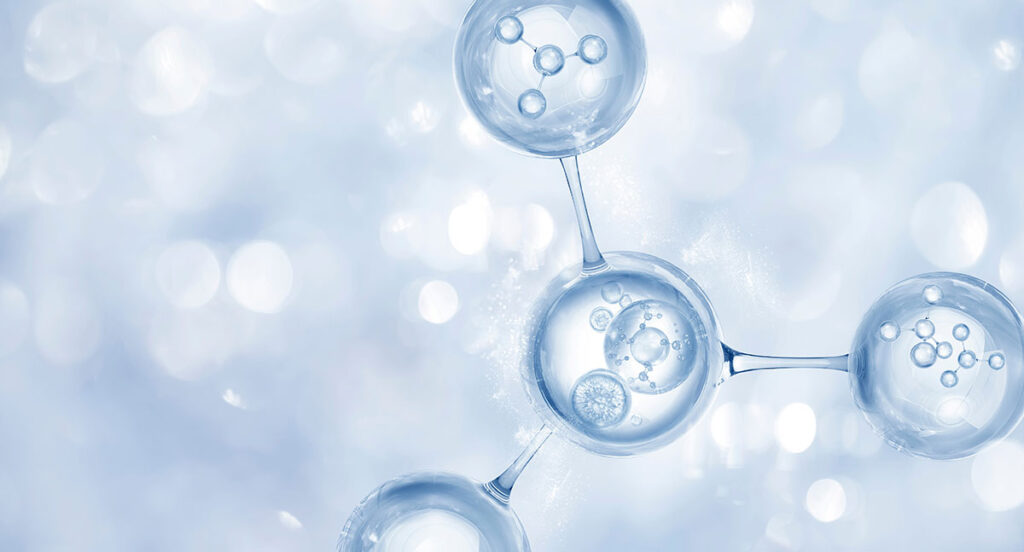
Water is fundamental to life. Every biological process, from cellular metabolism to detoxification, depends on proper hydration. While most discussions focus on how much water we consume, emerging perspectives in biophysics suggest that the structure of water may also influence how effectively it functions in the body. The concept of clustered water proposes that the […]
Clustered Water vs. Regular Water: Understanding the Health Benefits

Water is essential to life, sustaining every cellular process from energy production to waste removal. While all water contributes to hydration, emerging research indicates that not all water behaves the same at the molecular level. Clustered water, characterized by stable and organized molecular arrangements, may offer unique advantages over conventional tap or bottled water. Understanding […]